AVIATION REFUELING
SYSTEM
AVIATION REFUELING
SYSTEM
AVIATION REFUELING
SYSTEM
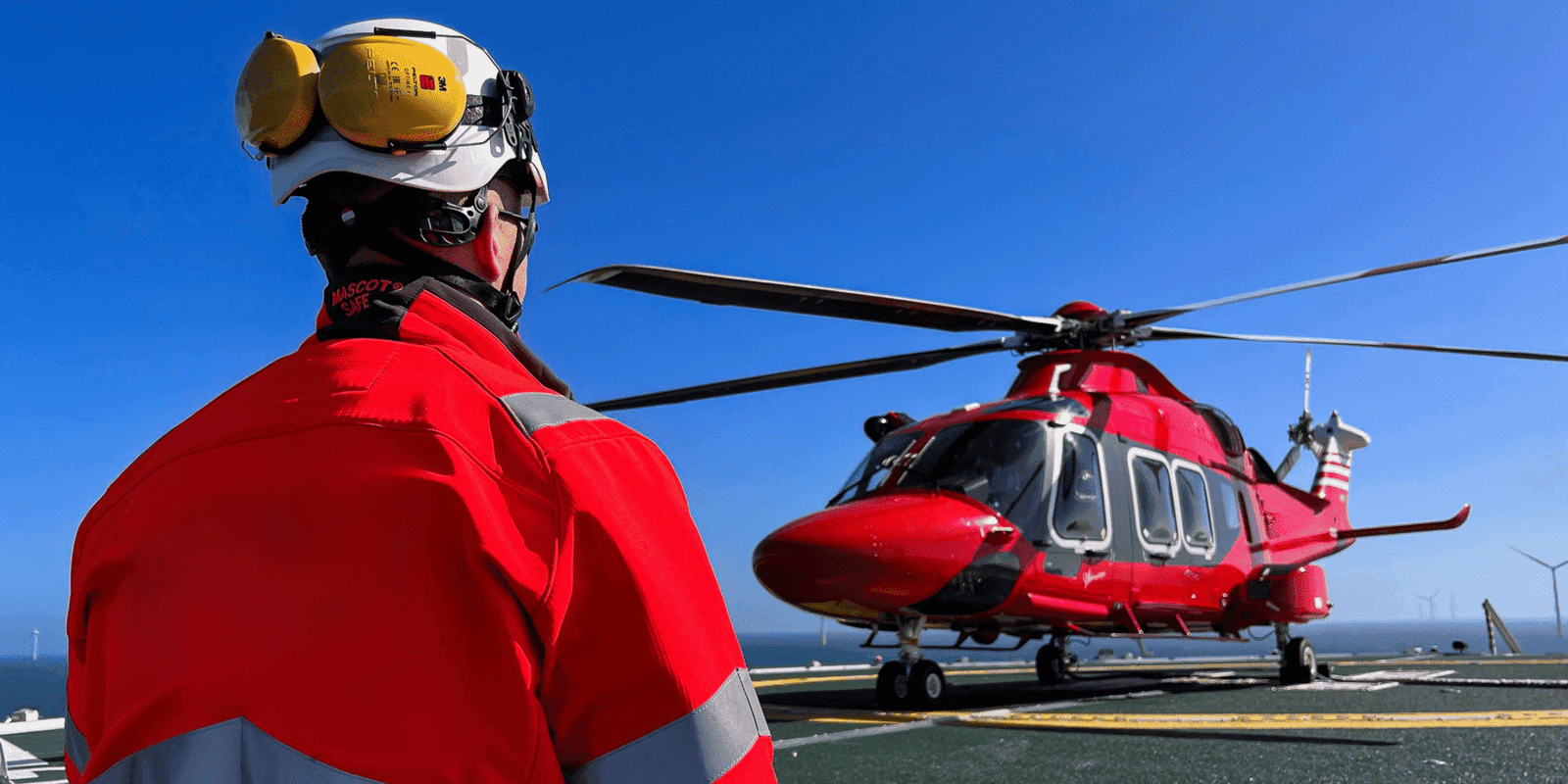
An Aviation Refueling System is a critical part of the infrastructure that ensures aircraft receive the proper fuel in an efficient, safe, and controlled manner.
An Aviation Refueling System is a critical part of the infrastructure that ensures aircraft receive the proper fuel in an efficient, safe, and controlled manner.
Our Services
Our Services
Our Services





OUR WORK
OUR WORK
OUR WORK
Frequently
Asked Questions
Frequently
Asked Questions
Frequently
Asked Questions
What is the inspection of Helicopter Refuelling & Delivery System (onshore/offshore) ?
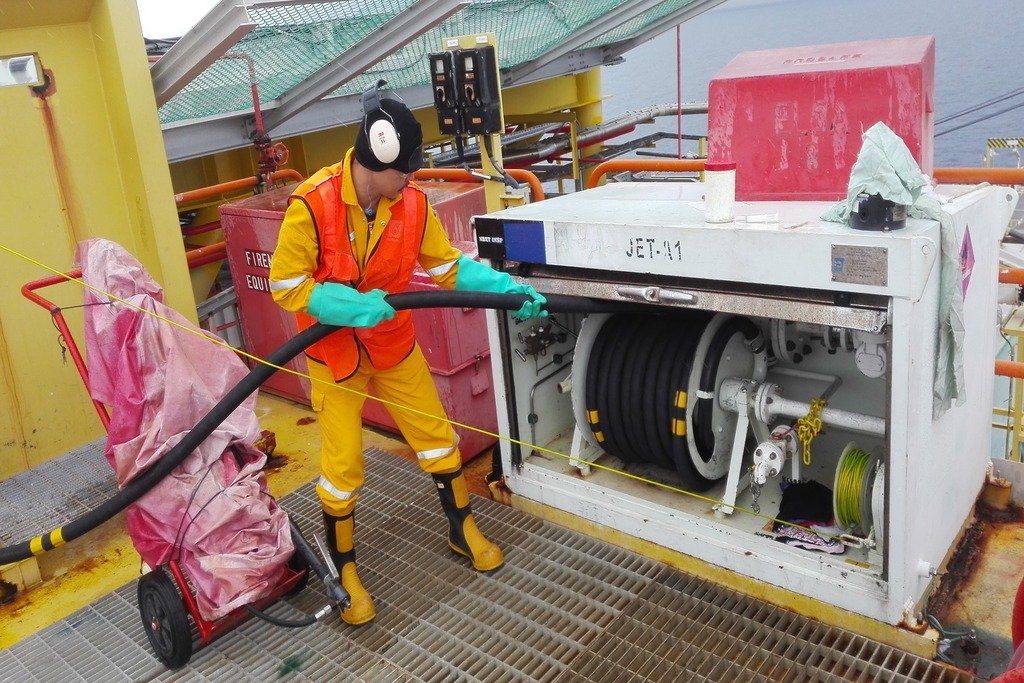
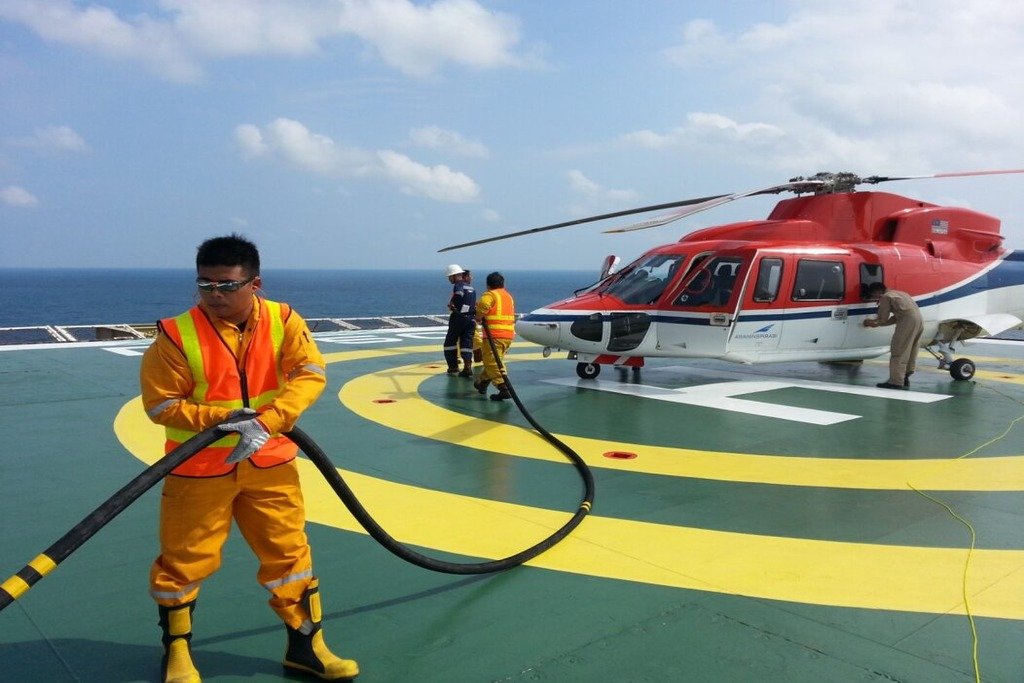
This critical inspection ensures the safe and efficient transfer of aviation fuel (Jet A1) to helicopters, focusing on safety assurance, fuel quality, and regulatory compliance with standards like CAP 437 and JIG.1 Key areas include checking fuel storage and handling components (tanks, pipes, pumps, hoses) for integrity and cleanliness, verifying fuel quality control procedures (sampling, documentation), and testing system functionality and safety features (emergency shut-offs, fire suppression). Offshore, helideck condition and personnel competency are also assessed.2 Rigorous, periodic inspections by certified professionals guarantee uncontaminated fuel delivery and prevent accidents.
What is Re-Certification and Commissioning of a Jet A1 Refuelling & Delivery System?
Commissioning is the process for bringing a new or significantly modified Jet A1 refueling system online. It involves thorough checks, functional testing, flushing, initial fuel quality testing, safety system verification, and obtaining regulatory approvals to ensure safe operation. Re-Certification involves periodic, comprehensive review and testing of an existing system. This includes regular inspections, re-testing components, ongoing fuel quality monitoring, re-validating safety systems, and documentation audits. Both processes are crucial for ensuring continuous safety, performance, and compliance for Jet A1 fuel delivery.
What is Jet A1 fuel?
Jet A1 is a crucial kerosene-based aviation turbine fuel (ATF) used globally in most turbine-powered aircraft like commercial jets and helicopters. It's distinguished by its low freezing point (-47°C), high flash point, and high energy content, ensuring safe operation at various altitudes and temperatures. Jet A1 adheres to strict international quality standards (e.g., ASTM D1655, JIG) and contains specific additives for performance and safety. It is a highly specialized and meticulously controlled product, vital for the safe and efficient operation of modern aviation.
What is CAP 437 requirements?
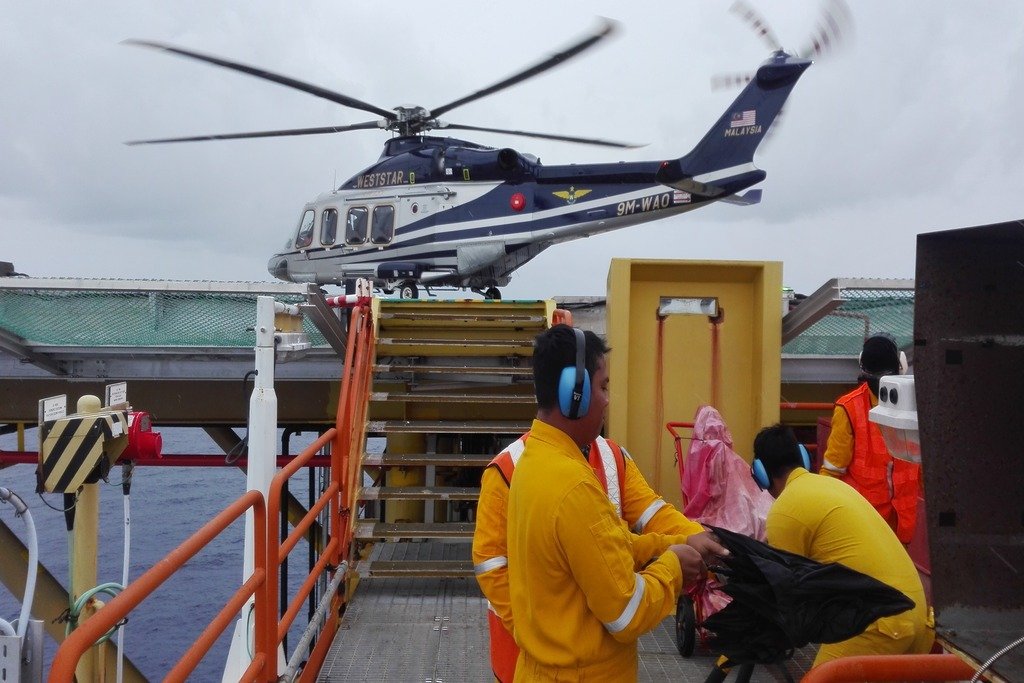
CAP 437, issued by the UK CAA, sets crucial Standards for Offshore Helicopter Landing Areas, globally recognized as best practice. Its main goal is to ensure the highest safety for helicopter operations on offshore installations. Key requirements cover physical helideck characteristics (size, anti-skid surface); visual aids (markings, lighting); Rescue and Fire Fighting (RFF) mandates; protocols for meteorological information; guidelines for fuelling facilities; and strict operational procedures & documentation. Compliance is often mandatory, guaranteeing consistent safety for offshore helicopter flights.
What is the inspection of Helicopter Refuelling & Delivery System (onshore/offshore) ?
This critical inspection ensures the safe and efficient transfer of aviation fuel (Jet A1) to helicopters, focusing on safety assurance, fuel quality, and regulatory compliance with standards like CAP 437 and JIG.1 Key areas include checking fuel storage and handling components (tanks, pipes, pumps, hoses) for integrity and cleanliness, verifying fuel quality control procedures (sampling, documentation), and testing system functionality and safety features (emergency shut-offs, fire suppression). Offshore, helideck condition and personnel competency are also assessed.2 Rigorous, periodic inspections by certified professionals guarantee uncontaminated fuel delivery and prevent accidents.
What is Re-Certification and Commissioning of a Jet A1 Refuelling & Delivery System?
Commissioning is the process for bringing a new or significantly modified Jet A1 refueling system online. It involves thorough checks, functional testing, flushing, initial fuel quality testing, safety system verification, and obtaining regulatory approvals to ensure safe operation. Re-Certification involves periodic, comprehensive review and testing of an existing system. This includes regular inspections, re-testing components, ongoing fuel quality monitoring, re-validating safety systems, and documentation audits. Both processes are crucial for ensuring continuous safety, performance, and compliance for Jet A1 fuel delivery.
What is Jet A1 fuel?
Jet A1 is a crucial kerosene-based aviation turbine fuel (ATF) used globally in most turbine-powered aircraft like commercial jets and helicopters. It's distinguished by its low freezing point (-47°C), high flash point, and high energy content, ensuring safe operation at various altitudes and temperatures. Jet A1 adheres to strict international quality standards (e.g., ASTM D1655, JIG) and contains specific additives for performance and safety. It is a highly specialized and meticulously controlled product, vital for the safe and efficient operation of modern aviation.
What is CAP 437 requirements?
CAP 437, issued by the UK CAA, sets crucial Standards for Offshore Helicopter Landing Areas, globally recognized as best practice. Its main goal is to ensure the highest safety for helicopter operations on offshore installations. Key requirements cover physical helideck characteristics (size, anti-skid surface); visual aids (markings, lighting); Rescue and Fire Fighting (RFF) mandates; protocols for meteorological information; guidelines for fuelling facilities; and strict operational procedures & documentation. Compliance is often mandatory, guaranteeing consistent safety for offshore helicopter flights.
CONTACT OUR TEAM
CONTACT OUR TEAM
CONTACT OUR TEAM